I. What has and has not changed in overseas pesticide registration
Pesticide registration in China began roughly in the early 1990s, so it has a history of about thirty years.
What has not changed:
The goal-orientation has not changed. The purpose is clear — to obtain the registration certificate and to serve product sales.
Registration requirements have risen continuously, from a data-collection type to an original-report type, and then to a GLP-report type. Costs are ever higher, timelines ever longer, and the threshold ever higher.
What has changed:
Chemistry and plant-protection graduates have markedly better English, and generally possess good English-language search skills.
Pesticide-related technical materials are plentiful online and easy to obtain.
There are many pesticide registration forums, QQ groups, WeChat groups and related training conferences, which allow mutual learning, discussion and exchange.
Regulatory authorities in various countries find it increasingly convenient — and increasingly strict — to scrutinise the surface authenticity of reports.
What kind of professionals are best suited to registration work?
In my personal view, chemistry, pesticide science or plant protection will all do; science graduates in chemistry are the best.
II. The transformation of the pesticide industry
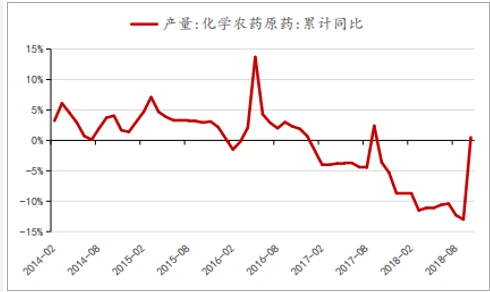
Pesticide manufacturers have developed rapidly over these three decades. Output grew seventeen-fold: 220,000 tonnes (active ingredient) in 1990 and 3.78 million tonnes in 2016, making China the largest producer. It was probably also the best period of development; such a growth rate will not come again.
Current capacity should represent the historical peak.
Research into pesticide formulations lags far behind the development of technical materials. The craftsman's spirit of "slow work yields fine results" is rarely seen. Everyone is busy scaling up, launching new technical materials, acquiring land and seizing global markets.
Low-priced products, and products whose raw materials are not abundant domestically, are gradually being eliminated, whether actively or passively.
Whether a particular pesticide product is banned or not is decided not purely by human-health and environmental factors; it is influenced — even determined — by many hidden and incidental factors.